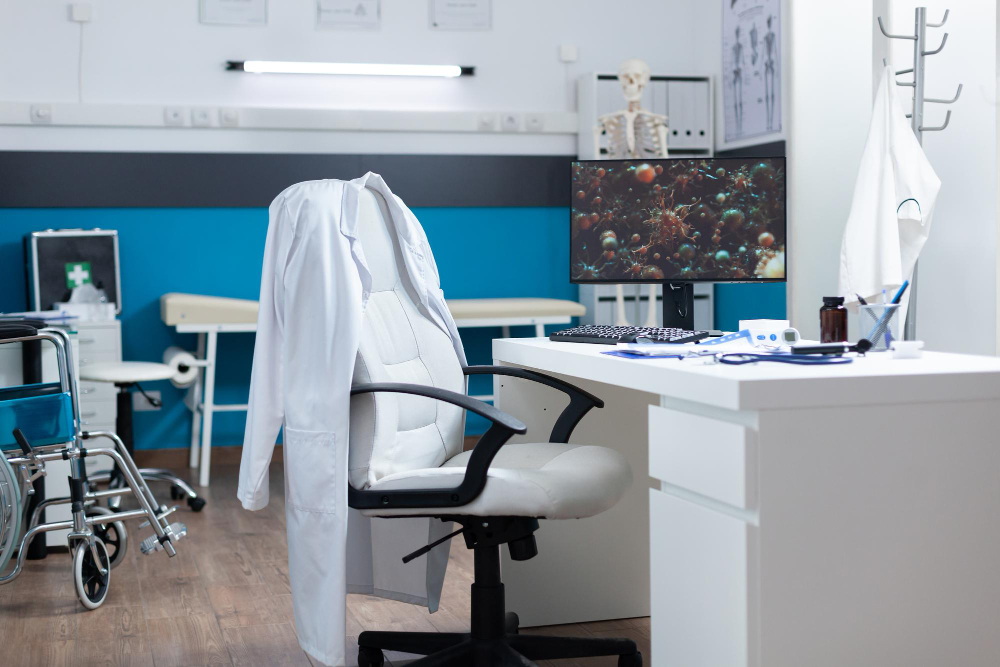
When patients walk into your medical office, cleanliness shapes their first impression immediately. In a healthcare setting, though, cleaning is about far more than appearance. Proper sanitation helps reduce infection risks, supports compliance, and protects both patients and staff.
Medical office cleaning services are different from standard janitorial work. Healthcare environments require specialized protocols, hospital-grade disinfectants, careful attention to high-touch surfaces, and teams that understand how to clean without creating cross-contamination risks.
For medical, dental, and specialty practices in Fresno and across the Central Valley, professional cleaning is an important part of maintaining a safe and trusted facility.
Why Medical Office Cleaning Is Different
A medical office has sanitation demands that standard commercial spaces do not. Staff and patients move through exam rooms, reception areas, restrooms, treatment spaces, and shared surfaces throughout the day. Many of those surfaces require frequent disinfection, not just routine wiping.
Unlike general office cleaning, medical facility cleaning focuses on infection prevention. That means using the right EPA-registered disinfectants, following proper dwell times, and applying cleaning methods that reduce the spread of germs rather than moving them from one surface to another.
It also means understanding how to clean different areas according to risk. Waiting rooms, exam rooms, restrooms, breakrooms, and administrative offices do not all require the same frequency or level of disinfection.
Key Sanitation Standards for Healthcare Facilities
Professional medical office cleaning should be built around clear, consistent sanitation standards. A quality provider will usually focus on the following:
High-touch surface disinfection
Door handles, light switches, counters, chairs, exam tables, faucets, and shared devices should be disinfected regularly using healthcare-appropriate products.
Proper product selection
Medical offices should use EPA-registered disinfectants suitable for healthcare environments. Products must be used correctly, including proper dilution and contact time.
Cross-contamination prevention
Color-coded materials, clean microfiber systems, and structured room-by-room workflows help prevent germs from spreading between treatment areas and common spaces.
Restroom sanitation
Restrooms in medical facilities require close attention because they are high-use areas and can quickly affect patient perception as well as hygiene standards.
Waste handling awareness
Cleaning crews should understand how to work safely around regulated waste, sharps containers, and other healthcare-related disposal requirements.
Detailed documentation
Cleaning logs and service checklists help support consistency, accountability, and quality control.
What to Look for in a Medical Office Cleaning Service
Not every commercial cleaning company is prepared for healthcare work. When comparing providers, look for a team with real experience in medical environments and a process built around reliability.
Relevant healthcare experience
Ask whether the company cleans medical offices, dental practices, clinics, or similar facilities. Experience matters because healthcare spaces require more precision than standard offices.
Staff training
Cleaning teams should be trained in infection control basics, bloodborne pathogen awareness, PPE use, and safe disinfection procedures.
Insurance and professionalism
Your provider should be properly insured, dependable, and able to work responsibly around sensitive environments, equipment, and after-hours access.
Customized cleaning plans
A good company will not offer a one-size-fits-all service. Your office size, patient volume, specialty, and layout should shape the cleaning plan.
Strong communication and accountability
Reliable providers use checklists, inspections, and clear communication so issues are handled quickly and standards stay consistent.
How Professional Cleaning Helps Reduce Infection Risks
Professional medical cleaning helps lower the chance of germs spreading through shared surfaces and common areas. In healthcare settings, this matters even more because some patients may be elderly, immunocompromised, or already dealing with illness.
Routine disinfection of high-touch surfaces helps interrupt the chain of transmission. Proper floor care, restroom sanitation, and careful cleaning methods also reduce the buildup and spread of contaminants throughout the facility.
A cleaner medical office does more than protect patients. It supports staff health, reinforces trust, and creates a more professional experience for everyone who walks through your doors.
OSHA and CDC Considerations for Medical Offices
Medical practices must operate with sanitation and safety in mind. While requirements vary depending on the type of facility, professional cleaning should support your broader compliance efforts.
That includes:
- using appropriate disinfectants
- following safe cleaning procedures
- reducing exposure risks
- handling cleaning tasks consistently and thoroughly
- maintaining documentation where needed
A cleaning company that understands healthcare environments can help your office maintain a cleaner, safer setting aligned with infection-control best practices.
Building the Right Cleaning Schedule
The best cleaning schedule depends on your facility’s size, layout, and patient traffic. Some spaces need attention multiple times per day, while others can follow a daily or weekly rotation.
In most medical offices, cleaning plans should include:
- daily cleaning of waiting areas, restrooms, floors, and common surfaces
- regular disinfection of high-touch points throughout the day
- detailed cleaning of exam rooms and treatment spaces
- periodic deep cleaning for less visible areas and buildup control
A customized schedule keeps your office consistently clean without disrupting patient care.
Why Professional Medical Cleaning Is Worth the Investment
Medical office cleaning is not just another overhead expense. It helps protect your reputation, reduce risk, and create a better environment for patients and staff.
A professionally maintained office can help:
- support patient confidence
- reduce sanitation-related complaints
- protect valuable flooring, furniture, and fixtures
- free your team from handling cleaning tasks internally
- reinforce the professional image of your practice
In healthcare, small details matter. Cleanliness is one of the first things patients notice and one of the easiest ways to show that your practice takes safety seriously.
FAQ: Medical Office Cleaning Services
How often should a medical office be cleaned?
Most medical offices should be cleaned daily, with high-touch surfaces disinfected regularly throughout the day based on traffic and use.
Are medical office cleaning services different from regular office cleaning?
Yes. Medical cleaning involves stricter sanitation standards, specialized disinfectants, and procedures designed to reduce cross-contamination and infection risks.
What types of facilities need medical cleaning?
Medical offices, dental offices, urgent care clinics, wellness centers, outpatient facilities, and specialty practices all benefit from healthcare-focused cleaning services.
What should I ask before hiring a cleaning company?
Ask about medical facility experience, staff training, insurance, customization, quality control, and how they handle disinfection in patient areas.
Get a Free Quote for Medical Cleaning in Fresno
If you’re searching for medical office cleaning in Fresno, look no further. Gabriel’s Cleaning Services delivers peace of mind through reliable, professional cleaning tailored to the healthcare field.
📞 Call us today to schedule a free walkthrough and get a custom quote (559) 286-3096
📍 Serving Fresno, Clovis, Madera, Sanger, and surrounding Central Valley communities.
Let’s help you keep your medical space clean, safe, and welcoming—for your patients, your staff, and your reputation.